Moreland Christian Church exists to carry on the mission that Jesus
Christ gave to His church nearly 2000 years ago. Our mission
statement is:
"To make disciples of Jesus Christ from every nation,
baptising them in the name of the Father, the Son and the Holy Spirit
and teaching them to obey all that Jesus Christ has commanded."
(Matthew 28:18-20)
Everything that we do at Moreland Christian Church is done in
order to fulfil this mission.
Our Beliefs
The Bible, the Word of God, contains all the statements of belief
we hold to. Below is a summary of some of the foundational
beliefs revealed in the Bible.
1. The Bible
We believe that the Bible is the infallible and authoritative word of God. The Bible was written by people of God
who were inspired by him (Exod 34:27-28; Jer 30:1-2; Hab 2:2; Acts 1:16; 2 Tim 3:16-17; 2 Pet 1:19-21; Rev 1:1-3).
We therefore believe that the whole Bible in the original text is without error. The Bible consists of the 39 Old
Testament books and the 27 New Testament books, making a total of 66 books. The Bible has supreme authority in all
matters of faith, how we live, history, science and anything else it teaches (Psa 119; Prov 2; Acts 17:10-11;
Col 3:16; 1 Tim 4:16; 2 Tim 3:16-17; 4:2-5; Heb 4:12; Jam 1:22-25; 2 Pet 3:15-18).
2. God
We believe there is only one God (Deut 6:4; Isa 43:10; 45:5-6; Mark 12:29) who eternally exists in 3 persons:
God the Father (Isa 63:16; 64:8; John 6:27; Col 3:17; 2 Pet 1:17).
God the Son (the Lord Jesus Christ) (Isa 9:6; Mat 1:22-23; John 1:1-14; 8:48-59; 20:27-29; Phil 2:5-11;
Col 2:8-9; Heb 1:1-8; Rev 1:8 cf. 22:12-21). The Lord Jesus Christ is the eternal Son of God (Mat 3:13-17; 16:13-20).
To become human, Jesus Christ was conceived by the Holy Spirit and born of the virgin Mary (Isa 7:14; Mat 1:18-25;
Luke 1:26-38; 2:1-7), so that the two natures (the nature of God and a sinless human nature) were united in one
Person – truly God and truly human (Mat 21:18; 26:36-46; John 1:1-18; 2 Cor 5:17-21; Phil 2:5-11; Heb 2:5-18;
7:23-28; 1 Pet 2:22).
God the Holy Spirit (Acts 5:1-4; 2 Cor 3:17-18). The Holy Spirit is sent by the Father and Son to
achieve their divine purpose in the world and in the church (John 14:15-17,25-26; 15:26-27; 16:5-15; 1 Cor
12; 1 John 4:13).
We believe that the Father, Son and Holy Spirit are each fully God yet each is personally distinct from each
other (Mat 28:19; 2 Cor 13:14) and each has various roles.
We believe that God’s unique attributes and character are shown, amongst other things, by the fact that he is eternal
(Gen 21:33; Psa 90:1-2; 93:1-2; Heb 9:13-14; Rev 1:8; 22:12-21), sovereign (Psa 115:3; 135:6; Acts 4:24; Rom 9:1-29;
1 Tim 6:15), infinite in power (Job 42:1-2; Jer 32:17; Mat 19:26; Rom 1:20), infinite in knowledge (Psa 139:1-16;
147:5; Heb 4:13; 1 John 3:19-20), infinite in presence (Psa 139:7-12; Prov 15:3; Jer 23:23-24), infinite in love
(Psa 100:5; Rom 5:7-8; 1 John 3:16; 4:7-16), righteous and just (Psa 9:16; 11:7; 89:14; Rom 2:1-11; 3:21-26; Rev
19:1-2), holy (Psa 99:9; Rev 4:8) and the creator of all things (Gen 1; 2; John 1:1-3; Acts 4:24; Col 1:15-17).
3. The Fall of Mankind
We believe that men and women were created in the image of God (Gen 1:26-31; 5:1-2; 9:6) to have a loving
relationship with him and to obey him (Ecc 12:13; Mat 22:34-40; Acts 17:26-28; 1 Cor 8:6; 10:31; Col 3:17).
However mankind’s relationship with God was broken as a result of rebellion towards him, also known as sin
(Gen 2:15-17; 3; Isa 59:1-3; 64:6-7; Rom 3:23; 5:12-21). As a result of this all people are spiritually dead
(Gen 2:15-17; Rom 3:9-18,23; 6:23; Eph 2:1-5), under Satan’s dominion and control (Mat 13:24-30,36-43; John
8:42-47; Eph 2:1-2; 1 John 3:8-10; 5:19), subject to God’s wrath, condemnation and eternal death (Gen 3; Rom
1:18-32; 5:12-21; 6:23; Eph 5:6; 2 Thes 1:5-9) and all experience physical death (Gen 3:19; Rom 5:12-14).
Also, as a result of sin, all of God’s creation is suffering (Gen 3:17-19; Rom 8:19-23).
4. The plan of salvation
We believe that all people can have their relationship with God restored (reconciliation), having their
sins forgiven and its effect cancelled, because of Jesus Christ’s sinless life, sacrificial death on
the cross as our substitute, and bodily resurrection to conquer sin and death (Isa 52:13-53:12; Mark
10:45; Luke 23; 24; Rom 3:21-26; 4:22-25; 5; 1 Cor 15:1-23; 2 Cor 5:14-21; Col 1:15-23; 1 Thes 4:13-14;
Heb 2:5-18; 7:23-28; 9:11-28; 1 Pet 2:21-25; 3:18). In order to receive this forgiveness of our sins and
have eternal life we must sincerely repent of our sins and believe (or have faith) in the Lord Jesus Christ
– to believe in who he claimed he was and in what he did for us (Mark 1:14-15; Luke 5:31-32; 24:45-47;
John 3:16-18; 5:24; 6:35-40,47; 8:24; 11:25-27; 17:1-3; 20:30-31; Acts 2:37-38; 20:17-21; Rom 1:16-17;
3:21-26; 5:1; 6:23; 10:9-13; Heb 6:1; 1 John 4:15; 5:1-13). Then our relationship with God is restored.
After his bodily resurrection (Mat 28:1-9; Luke 24:36-44; John 2:18-22; Acts 2:27-31), Jesus Christ ascended
into heaven (Luke 24:50-53; Acts 1:1-11) and there intercedes for us at the Father’s right hand until his second
coming (Mat 26:64; Acts 2:33-35; 7:55-56; Rom 8:34; Heb 4:14-16; 7:23-8:7; 9:24).
We believe that our reconciliation with God is not through any good works of our own, but solely on the basis
of God’s gracious gift of salvation in Jesus Christ through faith (John 3:16; Rom 3:20-31; 4; 5:1-2; 1 Cor
1:20-21; Gal 2:15-21; 3; Eph 2:8-9; Tit 3:4-8). Our good works are the fruit and evidence of our faith and
an act of obedience and love to God, with whom our relationship has been restored (John 14:15,21; 15:1-17;
Acts 26:19-20; Rom 7:4; Eph 2:8-10; 5:8-9; Tit 3:4-8; Jam 2:14-26; 1 John 2:1-6; 3:4-10; 5:3,18).
We believe that God wants all people to be saved (1 Tim 2:3-4; 2 Pet 3:9) and so God helps us to come to
know him (Mat 16:13-17; John 5:21; 6:44-45; 12:32; 16:5-11; Acts 16:14; Rom 1:19-20; Rev 3:20), and we must
respond through repentance and faith in Jesus Christ in order to be saved (Mark 1:14-15; John 3:16-18,36;
5:24; Rom 10:9-13).
We believe that the people who lived before the coming of Jesus Christ were justified by God (declared
to be just or right) through their faith in God and in his promises, which pointed to the coming and
redemptive work of the Messiah (Jesus Christ) (Gen 3:15; 12:1-3; 15:1-6; 22:15-18; [Deut 18:15-19 cf.
Acts 3:14-26; 7:37,51-53]; Psa 2; Isa 52:13-53:12; Joel 2:28-32; Hab 2:4; Luke 24:24-27; John 5:39-47;
8:37-58; Acts 3:17-26; 10:43; 26:22-23; Rom 1:1-3; 3:21-30; 4; 16:25-27; 1 Cor 10:1-4; Gal 3; Heb 4:1-2;
10:1-18; 11). They were not justified by their works (Rom 3:20-31; 4; 8:1-4; 9:30-10:13; Gal 2:15-21; 3;
Phil 3:2-9; Heb 7:11-28; 9:6-10; 10:1-18), but their faith was confirmed through their works (Rom 4:9-12;
Heb 11; Jam 2:14-26).
We believe that this principle of salvation by faith and not by works continues today (Rom 3:21-31; 4; Gal 3),
through our faith in the person and work of the Lord Jesus Christ and not by our works, but our faith is
confirmed through our works. So the people who lived before the coming of Jesus Christ put their faith in God and
in his promises, looking forward, in faith, to the coming of the Messiah, and those who live after the coming of
Jesus Christ put their faith in God and in his promises, looking back, in faith, to the finished redemptive work
of the Messiah.
5. The old and new covenants
We believe that the law God gave to Moses for the people of Israel (also known as the Law of Moses, or the Old
Covenant, and is found throughout Exod 19-40; Lev 1-27; Num 1-36 and Deut 1-34) was not given to offer eternal
life (Acts 13:38-39; 15:1-11; Rom 3; 4; 8:1-17; 9:30-10:13; Gal 2:15-21; 3; Phil 3:2-9; Heb 2:2-3; 7:11-28;
9:9-10; 10:1-18), but was given to govern the life and worship of the nation of Israel (Exod 19:1-6; Lev 26:46;
Deut 6:1-3,20-25; 10:12-13), to define, reveal and deal with sin, therefore showing the extent of man’s depravity
(Rom 3:19-20; 4:13-15; 5:13,20-21; 7:5-25; 8:2; Gal 3:19-23; Heb 10:3-4; Jam 2:8-13), and to point to the necessary
coming and redemptive work of Jesus Christ ([Deut 18:15-19 cf. Acts 3:14-26; 7:37,51-53]; Mat 5:17-20; Luke 16:16-17;
24:44-47; John 5:46-47; Rom 5:20-21; 8:1-4; 10:4; Gal 3:19-4:7; Col 2:16-17; Heb 8; 9; 10:1-18).
As a result of Jesus Christ’s coming, sacrificial death and resurrection he fulfilled the Law of Moses, so that
God’s people are no longer under the authority of the Law of Moses but are now under the authority of the
New Covenant (Mat 5:17; 27:50-51; Luke 24:44-49; Acts 15:1-29; Rom 3:21-31; 6:14-15; 7:1-6; 8:1-4; 10:4; 1
Cor 9:20; 2 Cor 3:4-18; Gal 2:11-21; 3; 4:1-11,21-31; 5; 6:11-16; Eph 2:11-18; Col 2:11-17; Heb 7:11-28; 8; 9;
10:1-18; 12:24). The New Covenant is also known as the law of Jesus Christ (1 Cor 9:21; Gal 6:2), the law of
God (1 Cor 9:21), the law of liberty (Jam 1:25; 2:12) or the law of the Spirit (Rom 7:1-6; 8:1-17; 2 Cor 3:4-8).
Under the New Covenant, God’s laws are written on our hearts and in our minds (Jer 31:31-34; Heb 8:8-12; 10:15-17)
through the work of the Holy Spirit (Rom 2:28-29; 7:1-6; 8:1-17; 2 Cor 3:6-18; Gal 5:16-26; 6:8-10). The main
principles of the New Covenant are to love God and to love your neighbour, which fulfill the Law of Moses, and the
application of this principle of love is found throughout the Bible, with Jesus Christ as our prime example
(Mat 5:17-48; 7:12; 22:34-40; Mark 12:28-34; John 13:33-35; 14:15-24; 15:12-17; Rom 8:1-4; 13:8-10; 15:1-7; 1
Cor 13; Gal 5:1-6,13-26; 6:2; Eph 5:2; Phil 2:1-10; Jam 2:8; 1 John 3:11-24; 4:7-5:3; 2 John 5-6).
6. The new life and the work of the Holy Spirit
We believe that the Holy Spirit is present in the world making people aware of their need for Jesus Christ,
leading them to personal faith in him as Lord and Saviour (John 15:26-27; 16:7-11; Rom 15:18-19; 1 Cor 2:2-5).
The Holy Spirit lives in each person from the moment they believe, or have faith, in Jesus Christ (John 7:37-39;
Acts 11:15-18; Rom 8:9-11; 1 Cor 12:3,12-13; Gal 3:14; Eph 1:13-14) – this is also known as being baptised with
the Holy Spirit (Mat 3:11; Mark 1:7-8; Luke 3:15-17; John 1:29-34; Acts 1:1-11; 2:1-4; 10:44-48; 11:15-18).
Working within the life of the believer the Holy Spirit confirms their restored relationship with God (Rom 8:14-17;
1 John 3:23-24; 4:7-13), guides them into all truth (John 14:15-17,25-26; 15:26-27; 16:5-15; 1 Cor 2:6-16; 1 John 2:26-27),
gives spiritual gifts to every believer for the growth of God’s kingdom (Acts 2:16-18; Rom 12:3-8; 1 Cor 12; Eph 4:11-16;
Heb 2:4; 1 Pet 4:10-11), and works in each believer to produce the fruits of righteousness (Acts 1:8; Rom 8:1-11; 2 Cor 3:18;
Gal 5:22-23; Eph 3:14-17; 1 Pet 1:1-2). To be filled with the Spirit is to allow God’s Spirit to take control of your
life and is shown by our obedience to God and the work that God does through us. We are commanded to be continually
filled with the Spirit – we must continually surrender our lives to the control of the Spirit within us (Luke 1:67;
4:1-2; Acts 2:1-4; 4:8,31; 6:3-5; 7:55; 13:9-10; Eph 5:18-21).
The person who repents of their sin and believes in the Lord Jesus Christ is:
Justified – declared to be just or righteous by God (Rom 1:16-17; 3:21-28; 4; 5; 8:30-34; 10:9-10; 1 Cor
6:11; Gal 2:15-21; 3:6-14,24; Phil 3:8-9).
Holy (sanctified) – set apart for God (1 Cor 1:2,30; 3:17; 6:11; Col 1:21-22; 2 Thes 2:13; Heb 3:1; 10:10;
13:12). The believer also grows in holiness – this is known as progressive sanctification (Rom 6:12-19; 2
Cor 3:18; 7:1; Eph 4:11-16; 5:25-27; Col 2:6-7; 1 Thes 4:3-4; 5:23; 1 Pet 1:14-16).
Regenerated – made into a new person (Rom 6:3-11; 2 Cor 5:17; Col 3:9-10; Tit 3:5).
Adopted into God’s family (John 1:12-13; Rom 8:15-17; Gal 3:26; 4:4-7; Eph 1:3-5; 2:19).
Guaranteed of their salvation through the witness of the Holy Spirit in them (Rom 8:14-17; 2 Cor 1:21-22;
5:1-5; Eph 1:13-14; 4:30).
So in this new life, the Holy Spirit empowers the believer to live a life that is holy, fruitful, obedient
and pleasing to God. A new person is formed – the old has gone, the new has come (2 Cor 5:17).
7. Sin and the new life
We believe that after we have experienced the new life, it is possible to fall into sin. As Christians, we still retain
the sin nature in this life but we are no longer in slavery to it (Rom 6; 7:15-25; Gal 5:16-17; Tit 3:3-7). By God’s
grace, any Christian who has sinned will find forgiveness and restoration after they genuinely repent (Mat 6:9-15; 1 Tim
4:1,16; 1 John 1:8-2:2; Rev 2:1-5).
8. Water Baptism
We believe that water baptism was instituted by Jesus Christ for all Christians to obey, by total immersion in water,
in the name of the Father, Son and Holy Spirit. Water baptism is a public declaration of our faith in Jesus Christ as
Lord and Saviour (Mat 28:18-20; John 3:22; Acts 8:35-38; 10:43-48).
9. The Lord's Supper
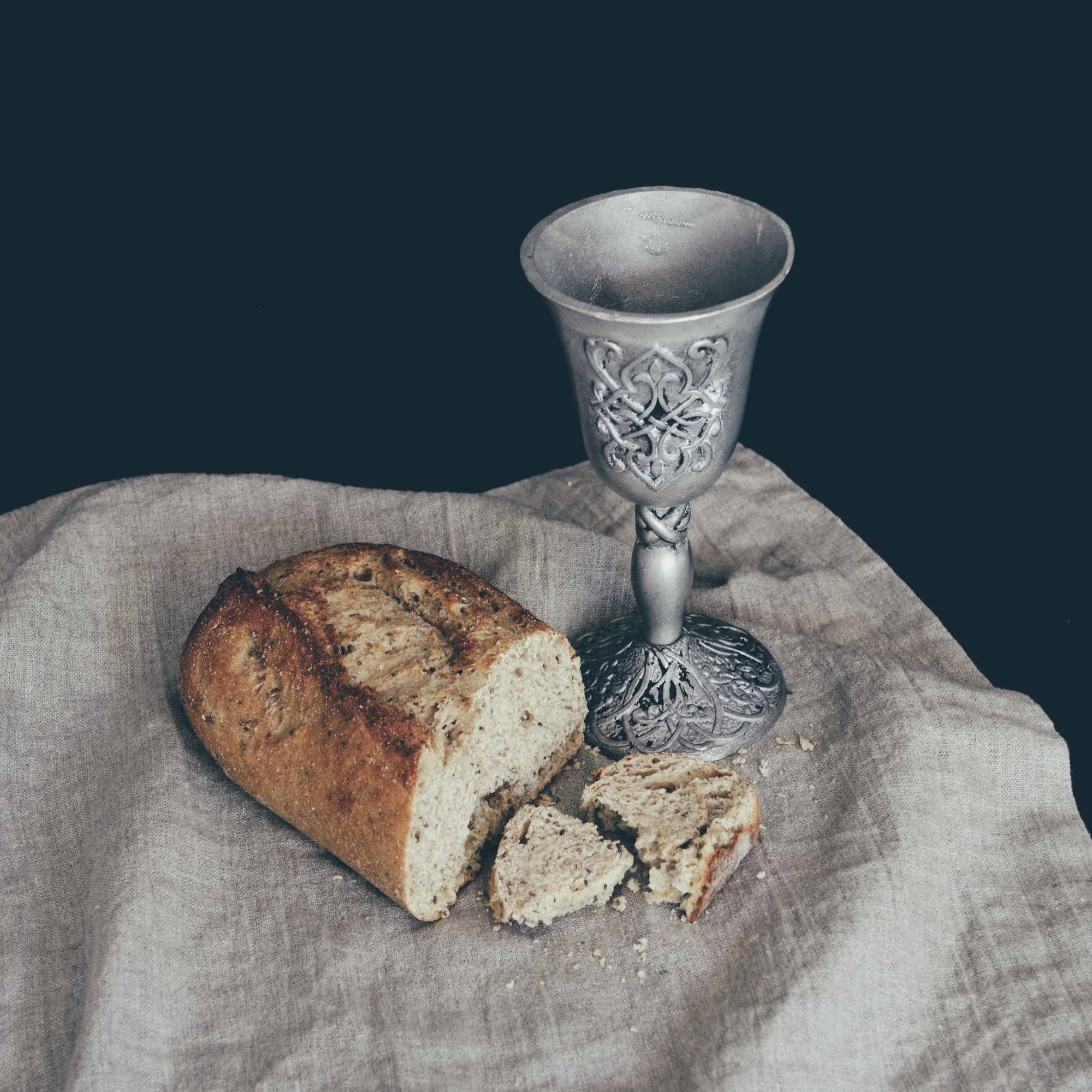
We believe that the Lord’s Supper was instituted by Jesus Christ for all Christians to obey. It is to be celebrated
with the elements of bread and drink (the “fruit of the vine”) by believers in Jesus Christ until the end of the age.
The elements of the Lord’s Supper are symbols of Jesus Christ’s body and blood, reminding us of his sacrificial death
on the cross as our substitute, resurrection and second coming. The bread also symbolises the unity of the church (Mat
26:26-29; Mark 14:22-25; Luke 22:14-20; 1 Cor 10:16-17; 11:17-34).
10. The Church
We believe that the church is the body of people whom God has separated from the world through faith in Jesus
Christ as their Lord and Saviour (Rom 12:4-8; 1 Cor 12; Eph 1:22-23; 2; 3:6; 4:11-16; 5:29-30; Col 1:18,24;
3:15). This is a universal church comprising many local churches in various localities each exercising autonomous
government under the headship of Jesus Christ (Acts 9:31; 1 Cor 16:19; Eph 5:23-24; Col 1:15-18; 1 Pet 5:1-4).
Jesus Christ set the mission for the church – to make disciples of all nations, baptising them and teaching them
to obey all that he has commanded (Mat 28:18-20; Acts 1:6-8). Believers achieve this mission individually and
collectively through the use of their spiritual gifts, time, energy and resources and through the means of worship,
prayer, teaching, evangelism, encouragement, mutual accountability and community with each other (Acts 2:41-47;
4:32-37; 1 Cor 12; Eph 4:11-16; Heb 10:24-25).
11. The second coming of Jesus Christ
We believe that Jesus Christ will return again to Earth personally, physically and visibly just as he promised,
to be the Judge of the living and the dead (Mat 16:27-28; 24; 25; John 14:1-3; Acts 1:6-11; 1 Thes 4:13-5:11;
2 Thes 1:5-12; Heb 9:27-28; Rev 1:4-7; 22:6-21).
12. The resurrection, final judgement and eternal state
We believe that our eternal destination of either Heaven or Hell is determined by our response to the
Lord Jesus Christ (John 3:16,18,36; 5:24; 6:25-40). After physical death our bodies decay. The spirits
and souls of those who believe in the Lord Jesus Christ for salvation pass immediately into his presence,
but the spirits and souls of the unbelieving remain conscious of condemnation and in misery (2 Kings 2:11-12;
Mat 22:32; Luke 16:19-31; 23:39-43; Acts 7:54-60; 2 Cor 5:6-9; Phil 1:19-24; Jam 5:19-20; 1 Pet 1:8-9).
At the end of the age there will be a resurrection of all people and they shall be reunited with new bodies
and appear before the throne of God for judgement. Those who do not believe in the Lord Jesus Christ will be
condemned to eternal conscious punishment in Hell separated from the presence of God, but believers will be
rewarded with eternal life in Heaven with God (Dan 12:1-2; Mat 10:26-33; 25:31-46; Mark 9:42-48; John 5:22-29;
6:39-40; 14:1-7; Acts 24:15; Rom 8:20-23; 1 Cor 15:35-57; 2 Cor 4:13-14; 5:1-10; Phil 3:20-21; 1 Thes 4:13-18;
5:23; 2 Thes 1:5-10; Heb 9:27-28; 2 Pet 3:1-13; 1 John 3:2; Jude 6-7,14-15; Rev 20:11-15; 21; 22:1-5).
13. Angels
We believe that angels are created, spiritual beings (Col 1:16; Heb 1:13-14). Angels were created to serve,
obey and worship God (2 Chr 32:20-21; Psa 103:20-21; 148:2; Heb 1:6; Rev 5:11-12; 7:11-12) and minister
to God’s people (2 Kings 6:8-19; Psa 91:11-12; Dan 6:19-22; Acts 10:1-8; 12:1-11; Heb 1:13-14).
We believe that all angels were at one time holy, but when Satan rebelled against God many other angels
fell with him (Ezek 28:11-19; 2 Cor 11:14; 1 Tim 3:6; 2 Pet 2:4; Jude 6; Rev 12:1-9). Fallen angels
are called demons or evil/unclean spirits (Mat 8:16,28-29; 12:43-45; Luke 8:2; 2 Pet 2:4; Rev 16:13-14)
and are led by Satan (Luke 11:14-18; Rev 12:1-9). Satan and his angels are the enemies of both God and
man (Gen 3:1-15; Zech 3:1-2; Mat 12:43-45; 13:24-30,36-43; Mark 5:1-20; John 8:44-45; 2 Cor 4:4; Eph 6:10-20;
1 Pet 5:8-9; Rev 12). At the end of the age Satan and his angels will be condemned to eternal conscious
punishment in Hell (Mat 25:41; Jude 6-7; Rev 20:7-10).
14. Marriage
We believe that God designed marriage to be the lifelong union between one man and one woman and that
sex occurs within this union (Gen 1:26-28; 2:18-25; Mat 19:1-6; 1 Cor 7:1-5; Eph 5:31). Sex outside of
this standard is considered to be sin ([Gen 18:20-21 cf. 19:1-29]; Gen 39:6-10; Prov 5; 7; Mat 5:27-32;
Mark 10:2-12; Rom 1:24-28; 7:2-3; 1 Cor 5; 6:9-20; Gal 5:19-21; Eph 5:3-5; 1 Tim 1:8-11; Heb 13:4).
However, like those involved in other sin, a sexually immoral person who sincerely repents of their
sin and accepts Jesus Christ as their Lord and Saviour will have a restored relationship with God,
and will be empowered by the Holy Spirit to live a fulfilling life that is holy, fruitful, obedient
and pleasing to God (Mat 7:24-27; John 10:7-10; 14:25-26; 15:10-11; 16:7-15; 1 Cor 6:9-11; Gal 5:22-24;
Tit 2:11-14; 1 John 1:9; Rev 2:18-23).
We believe that God created man and woman in his image, equal before him as persons (Gen 1:26-31;
5:1-2; 9:6; Gal 3:28) yet distinct in their manhood and womanhood. God designed man and woman to
have complementary roles in marriage. He designed man to carry the responsibility of headship
(or leadership) in marriage and he designed woman to be a helper to the man and to submit to
him in marriage. However, because of sin, our nature has become corrupted and these roles
have been abused or neglected. Husbands should avoid harsh or selfish leadership and grow in
love and care for their wives, and wives should avoid resistance to their husband’s authority
and grow in willing, joyful submission to their husband’s leadership (Gen 2:7,15-25; 3:1-20;
Prov 31:10-31; 1 Cor 11:3,7-9; Eph 5:22-33; Col 3:18-19; 1 Tim 3:4,12; Tit 2:1-5; 1 Pet 3:1-7).
15. Church leadership
We believe that just as God created man and woman to have distinct roles within marriage, He also
created man and woman to have distinct roles within the church. The blessing of salvation is equally
available to both men and women (Acts 2:16-21; Gal 3:26-28; 1 Pet 3:7), nevertheless some teaching
and authority roles within the church are assigned to men only, such as Elders, Deacons, and any
other role where teaching and authority over men is involved (Acts 6:1-6; 1 Cor 11:2-16; 14:33-36;
1 Tim 2:8-15; 3:1-13; Tit 1:5-9; 2:3-5).
We believe that church government consists of a mutually submissive operation of a plurality
of Biblically qualified and spiritually gifted male Elders (also known as overseers, pastors
or shepherds) in an autonomous local church. Their main responsibilities are to govern, lead,
shepherd, oversee all affairs of, and care for, the church. They are the church’s primary
teachers and preachers (Acts 11:29-30; 14:23; 15:1-35; 16:4-5; 20:17-35; Eph 4:11-16; Phil
1:1; 1 Tim 3:1-7; 5:17-22; Tit 1:5-9; Jam 5:14; 1 Pet 5:1-5).
We believe that Deacons are men who are Biblically qualified and spiritually gifted to oversee
and administer the charitable welfare needs of the church. They must fulfill their duties in
co-operation with, and in subjection to, the Elders (Acts 6:1-6; Phil 1:1; 1 Tim 3:8-13).
16. Creation
We believe that God is the creator of all things (Gen 1; 2; Jer 32:17; John 1:1-3; Acts 4:24; Col 1:15-17).
Since all Scripture is inspired by God (2 Tim 3:16-17; 2 Pet 1:19-21) and God is omnipotent (Job
42:1-2; Jer 32:17; Mat 19:26; Luke 1:37), we believe in the Genesis account of creation, and
that it is to be accepted literally and not figuratively. Mankind was created directly in God's
own image and after his own likeness (Gen 1:26-31; 5:1-2; 9:6) and not in the image of another animal
or through evolutionary change of species or by any other process not mentioned in the Genesis account.
All animal and plant life was made directly by God, and God's established law was that they should bring
forth only "after their kind". The days in the Genesis account of creation do not correspond to long
ages but are six consecutive twenty-four hour days of creation (Gen 1; 2; Exod 20:8-11; Neh 9:6;
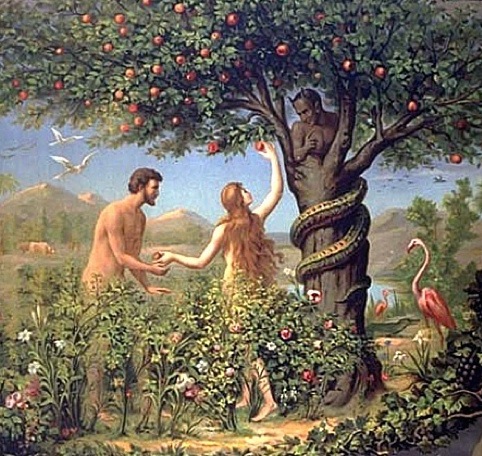
Jer 10:12; Acts 17:23-26; Heb 11:3). A correct understanding of creation and the subsequent fall into
sin by Adam and Eve (the first humans) are essential in understanding the foundational doctrines in the
Bible such as marriage, death and disease, the meaning of life and the gospel of Jesus Christ.
At Moreland Christian Church we believe that the Biblical model for
church leadership is found in the mutually submissive operation of a
group of Biblically qualified and spiritually gifted male elders.
Elders are also known as overseers, pastors or shepherds, and are
sometimes called pastor-elders. The pastor-elders' main
responsibilities are to govern, lead, shepherd, oversee all affairs
of, and care for, the church. They are also the church's primary
teachers and preachers (Acts 11:29-30; 14:23; 15:1-35; 16:4-5; 20:17-35;
Ephesians 4:11-16; Philippians 1:1; 1 Timothy 3:1-7; 5:17-22; Titus 1:5-9;
James 5:14; 1 Peter 5:1-5).









 John 3:16